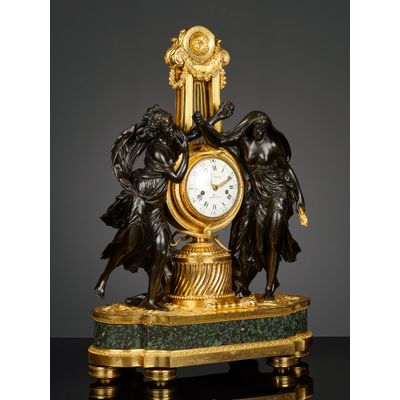
Price on request
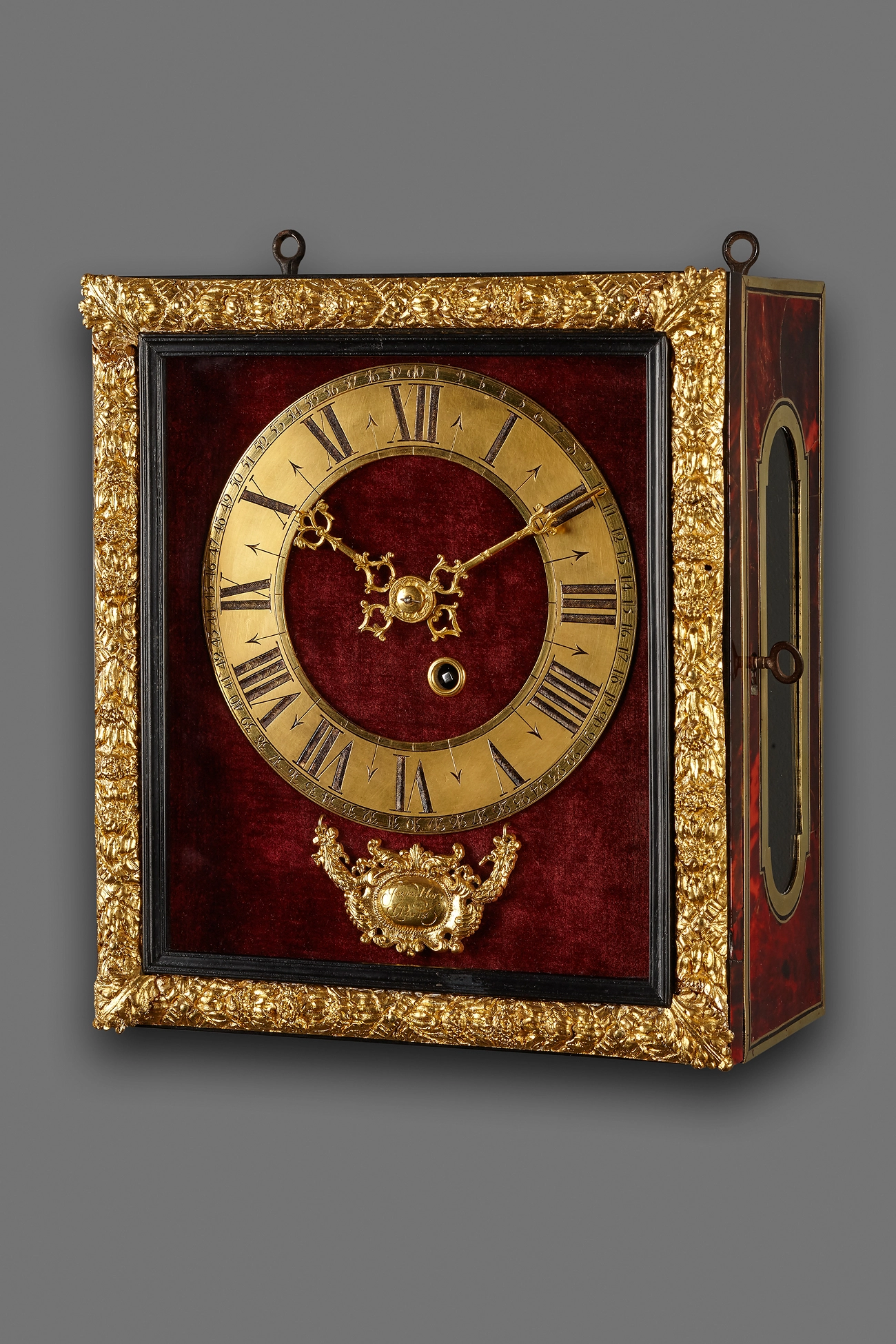
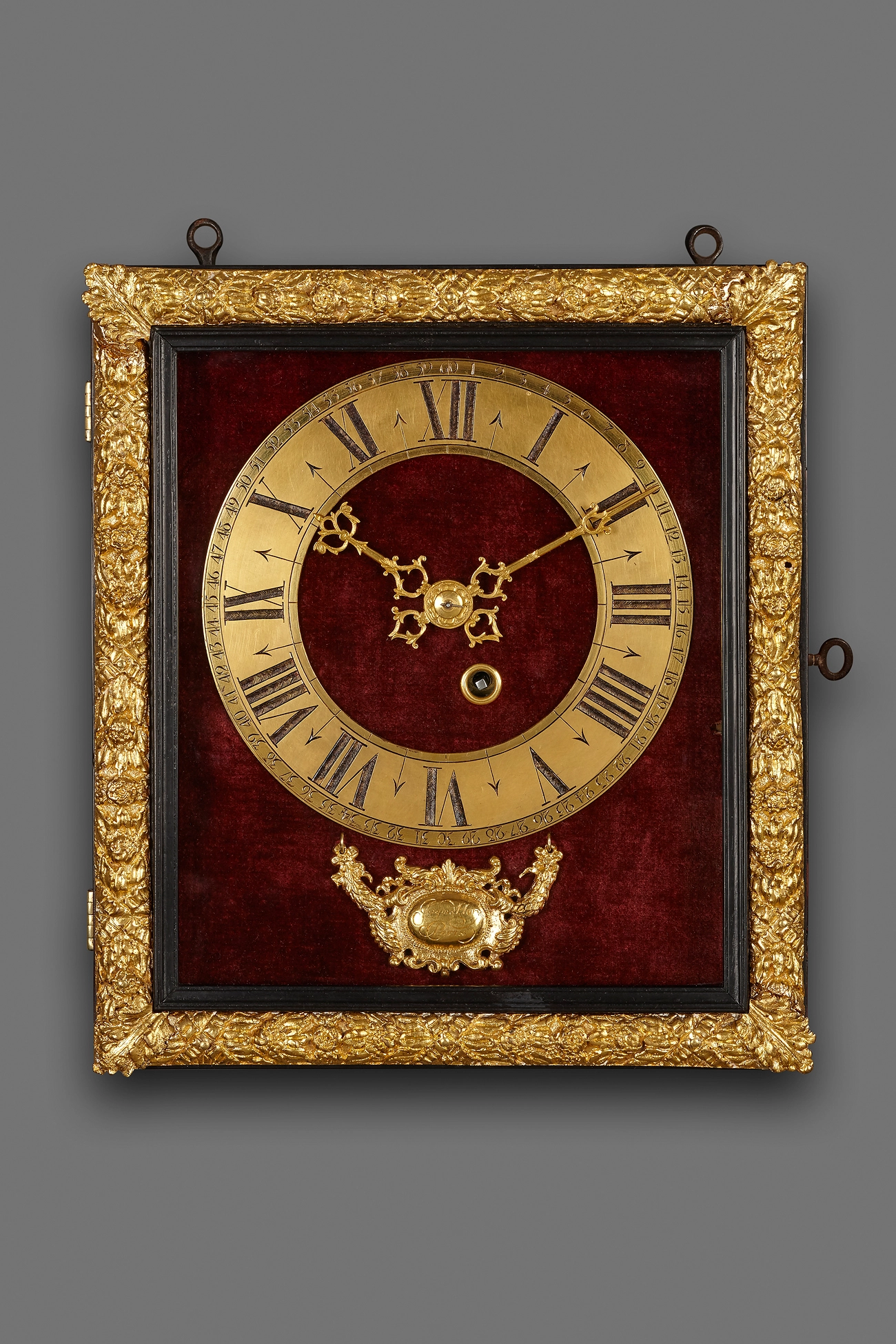
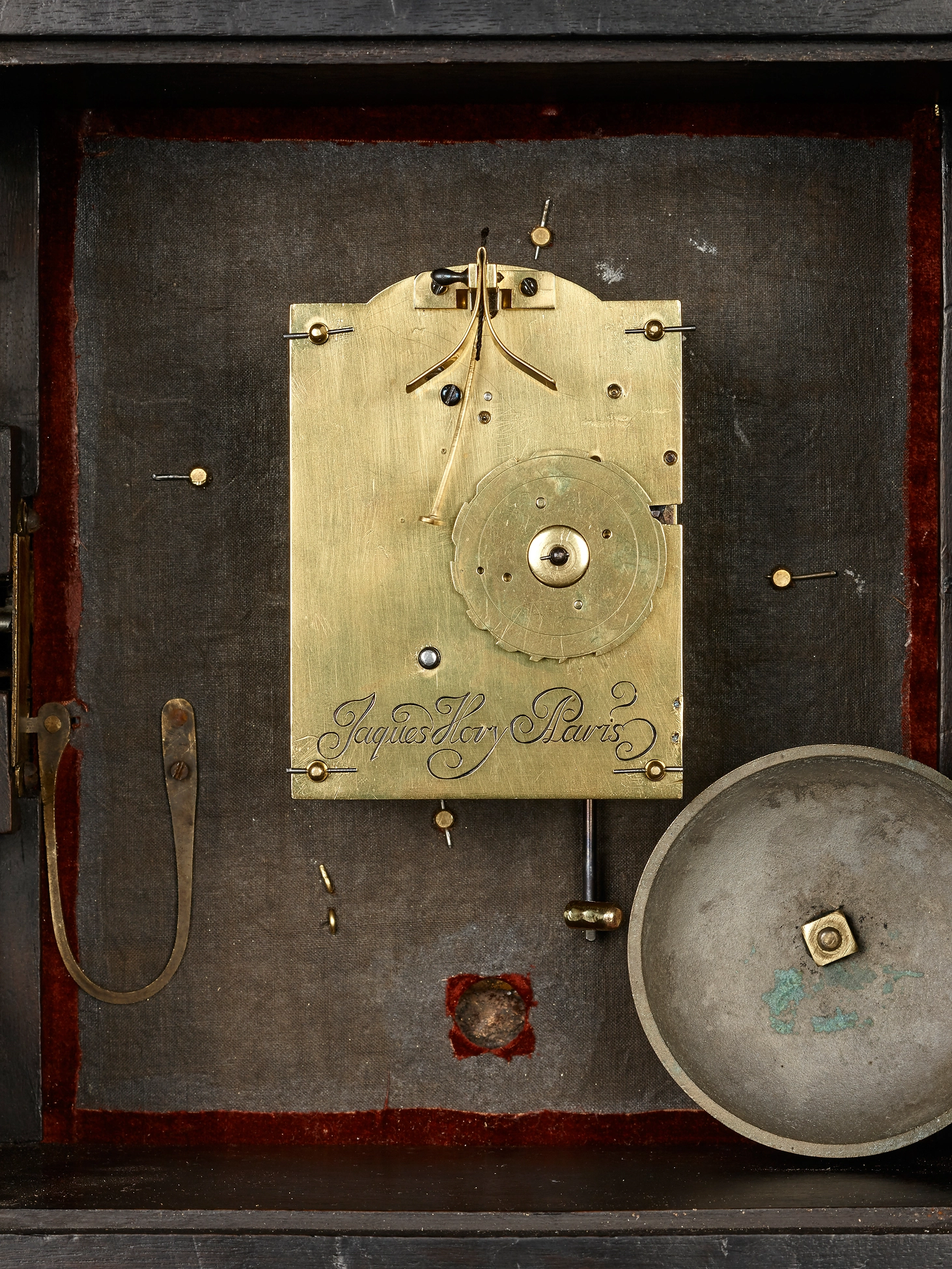
Ships from The Netherlands
Price on request
Artlistings Promise: Authenticity Guarantee, Money-Back Guarantee, 24-Hour Cancellation
Price on request
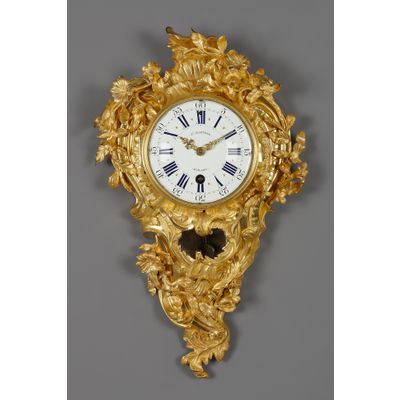
French Louis XV cartel d’alcove, Jean Baptiste Baillon
Price on request
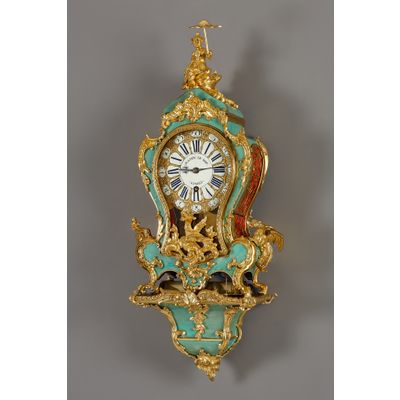
Price on request
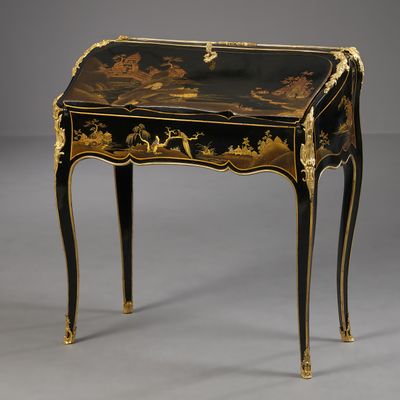
French Louis XV Lacquered Bureau, attributed to J.P. Latz
Price on request
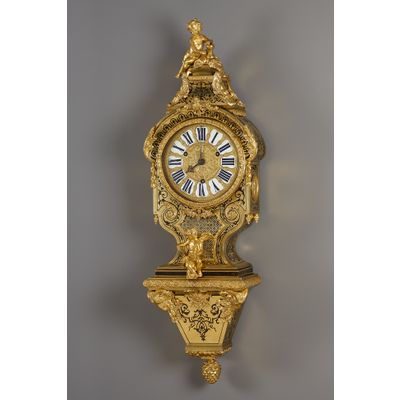
French Régence console clock, Masson
Price on request

Price on request
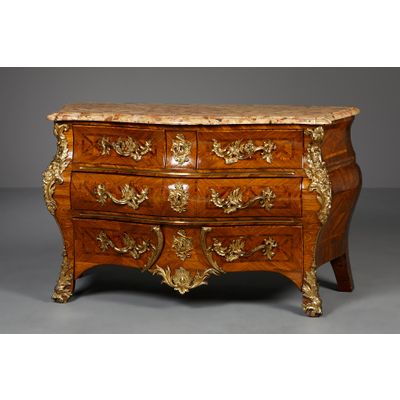
French Louis XV Commode en Tombeau
Price on request
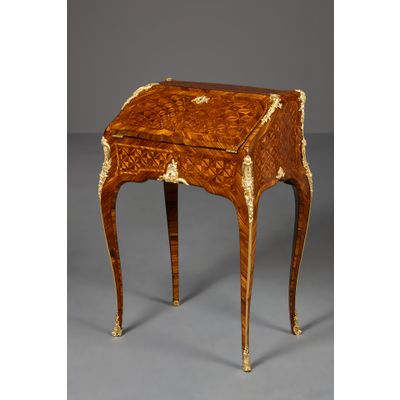
French Louis XV Secrétaire en Pente, Pierre Garnier
Price on request
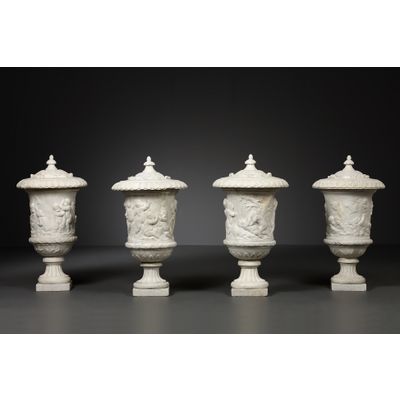
Four Dutch Louis XIV sculptural marble vases
Price on request
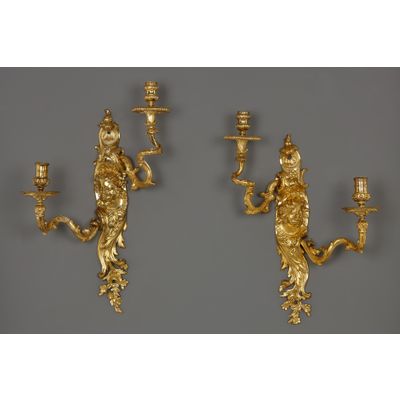
Pair of French Régence appliques aux Zéphyrs
Price on request
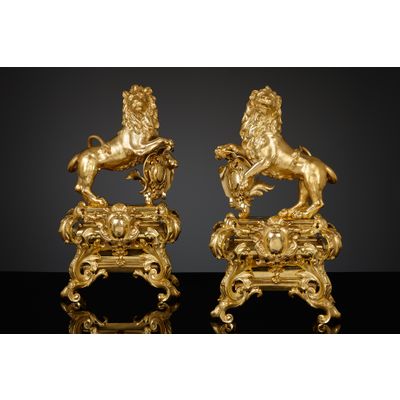
Pair of French Régence Chênets
Price on request
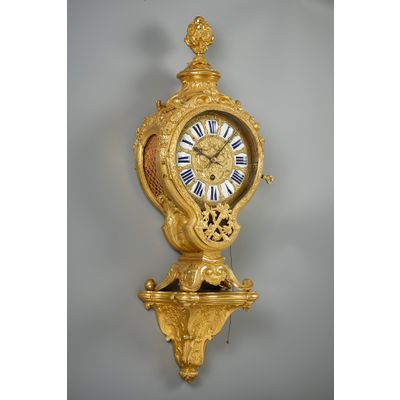
Price on request
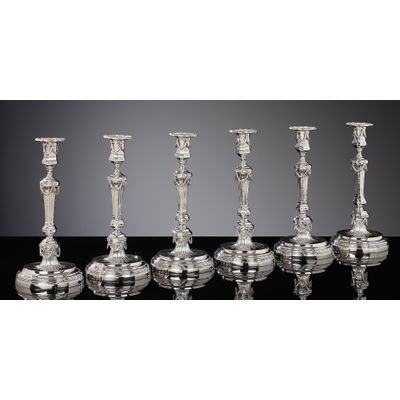
Six Silver Louis XVI Candlesticks, Amsterdam, Frederik Manicus I
Price on request
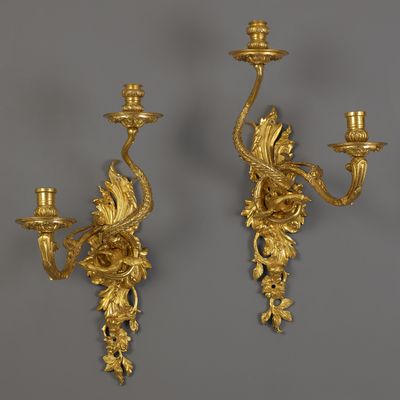
Pair of French Régence Wall Sconces attributed to André-Charles Boulle
Price on request
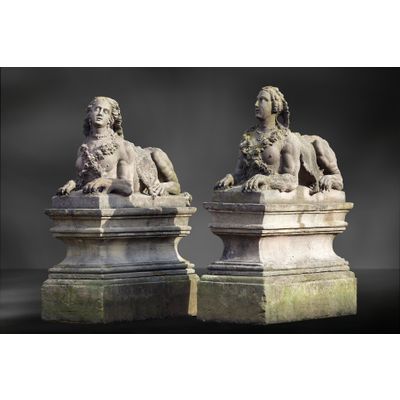
Pair of French Sandstone Sphynxes
Price on request
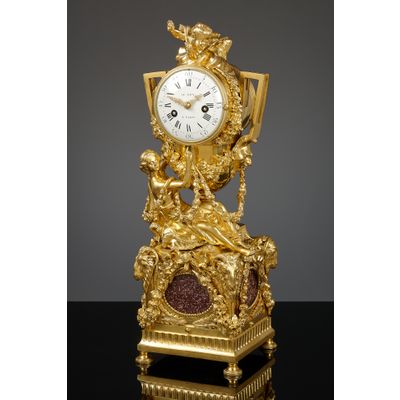
Price on request
Price on request
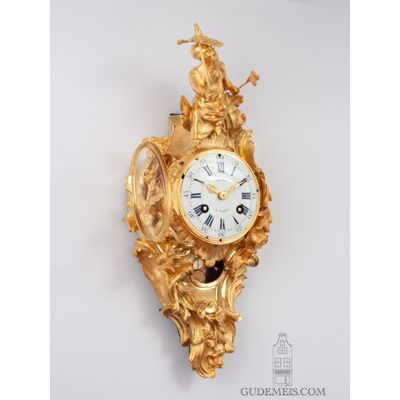
A fine French Louis XV ormolu cartel wall clock, Décle A Paris, 1754
€ 24000
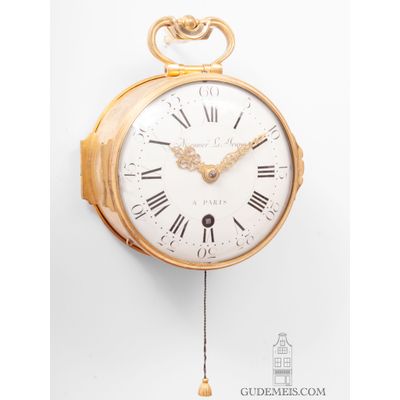
A rare French Louis XVI quarter repeating wall clock, Meunier Le Jeune, circa 1770.
€ 15000
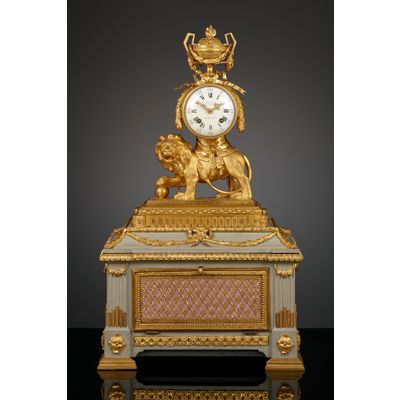
French Louis XVI lion mantel clock with musical box
Price on request
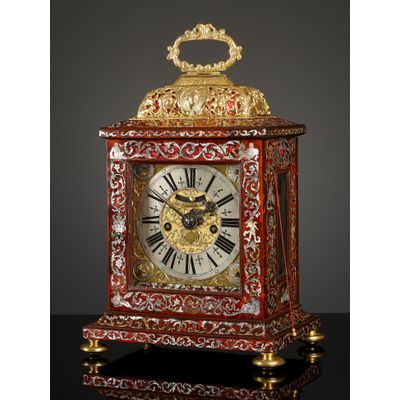
Price on request
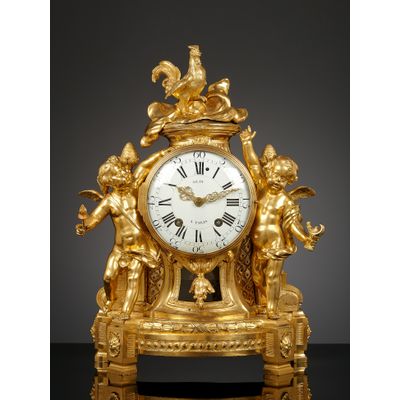
Price on request
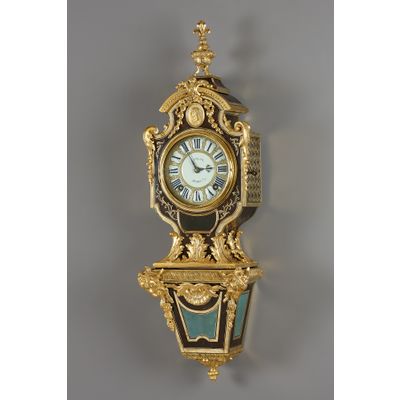
French Régence console clock, Talon
Price on request
French Régence console clock, Masson
Price on request
Price on request
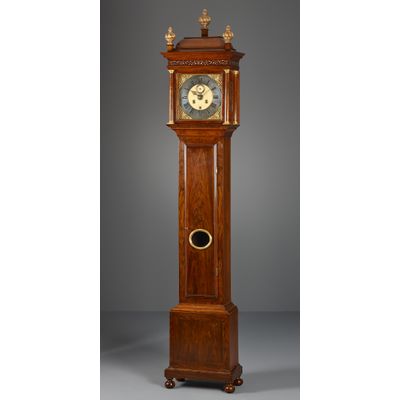
Dutch longcase clock, Fromanteel & Clarke
Price on request
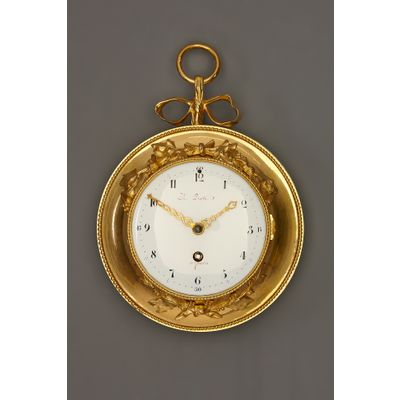
French Louis XVI oeil de boeuf cartel
Price on request
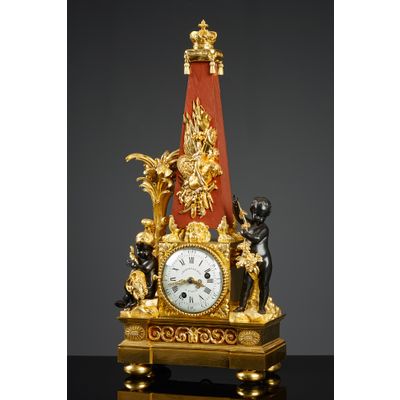
French Louis XVI pendule after a design by Vion
Price on request
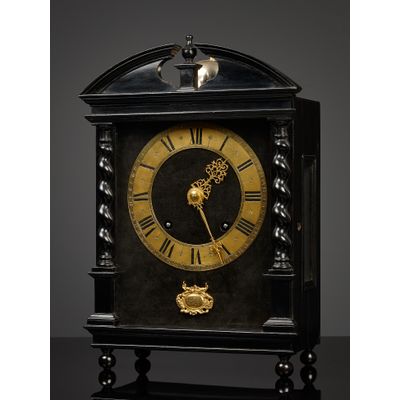
Dutch The Hague table clock, Johannes van Ceulen
Price on request
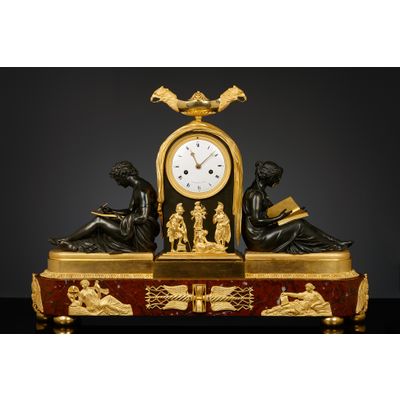
French Empire Mantel Clock, l'étude et le philosophie
Price on request