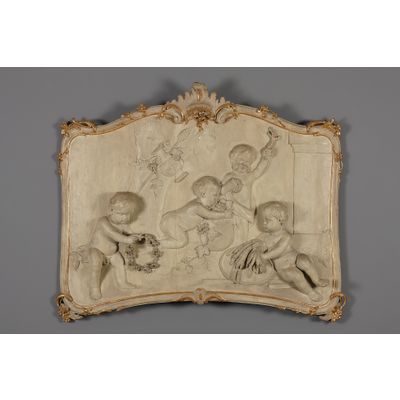
Dutch sculptured Louis XV Dessus de porte
Price on request
Ships from The Netherlands
Price on request
Artlistings Promise: Authenticity Guarantee, Money-Back Guarantee, 24-Hour Cancellation
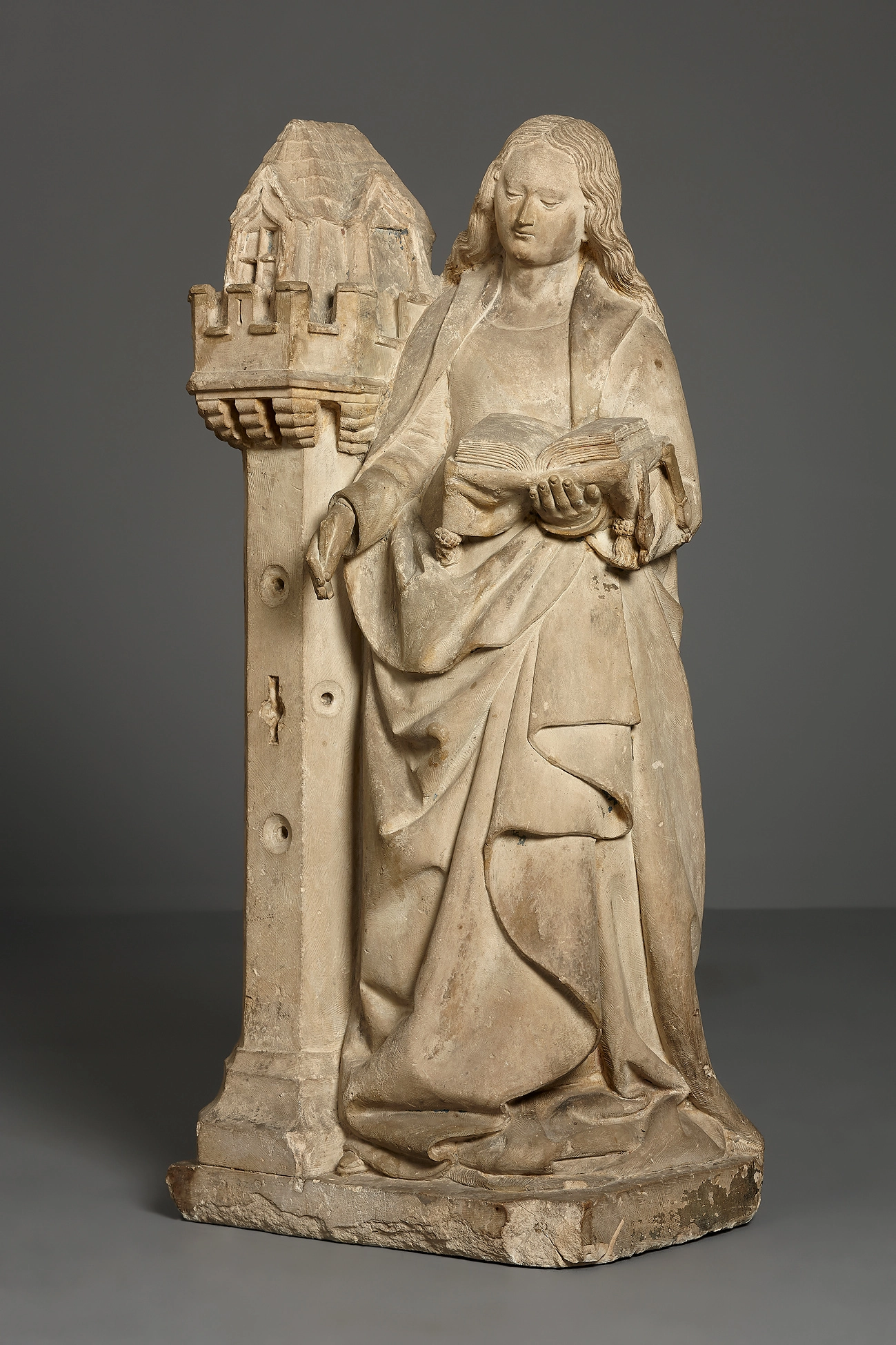
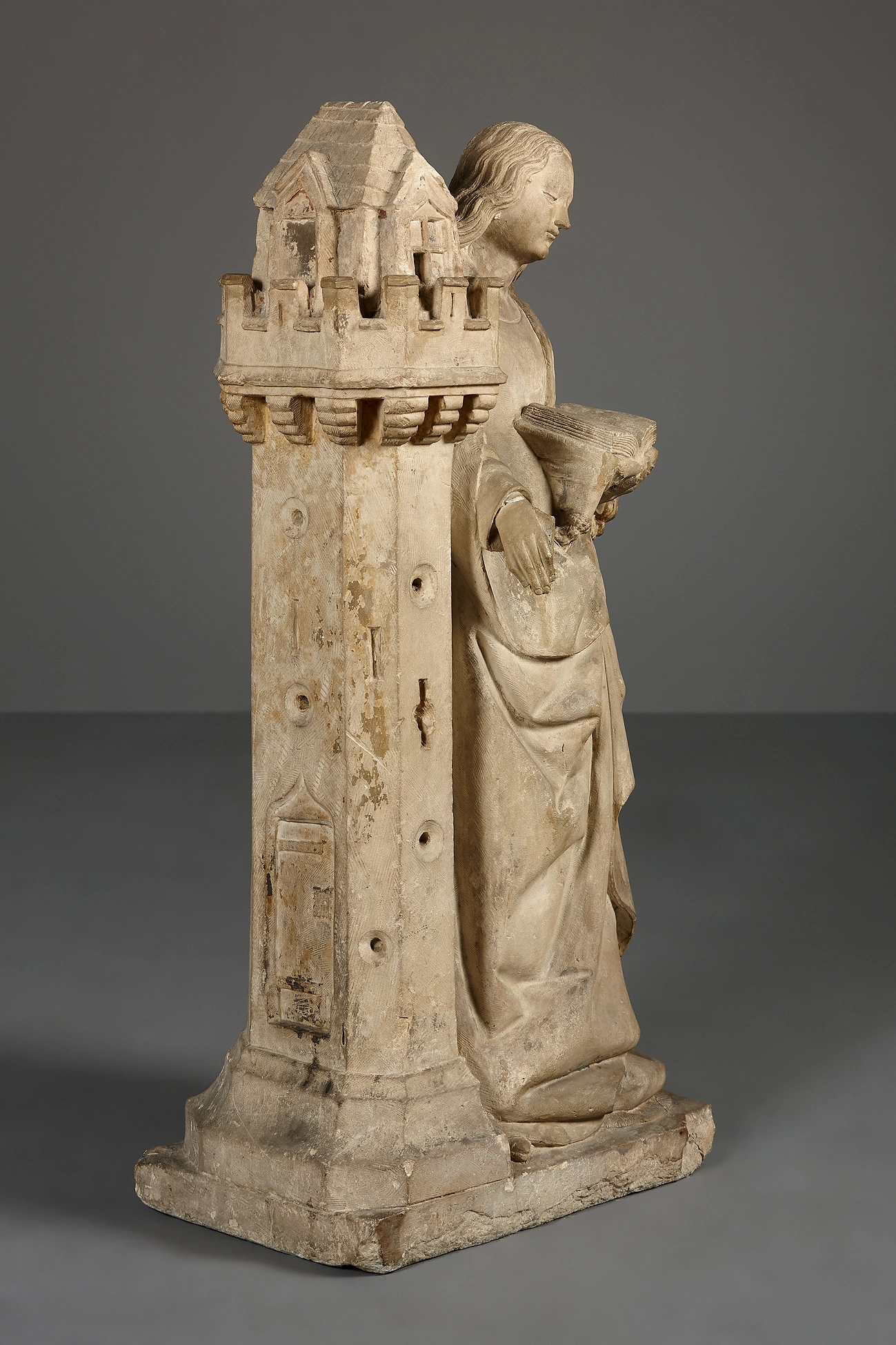
This limestone statue depicts Saint Barbara, standing next to her tower with three windows, with a downcast gaze in meditation. Her long, flowing hair falls gracefully over her dress. In her left hand, she holds the open Gospels, and in her right hand, the beginning of the now missing palm branch.
Barbara, who lived in Nicomedia, Bithynia, at the end of the 3rd and beginning of the 4th century, was the beautiful and intelligent daughter of Dioscorus, a wealthy pagan. Her father locked her in a tower to protect her from the outside world and preserve her virginity. He forbade her from socializing with friends and only allowed contact with teachers and servants who were instructed to teach the worship of pagan gods. Barbara spent years in the tower, where she hoisted her food and laundry up and down using a basket on a rope. One day, a stranger placed a book about Christianity in her basket. Upon reading it, she feigned illness to summon a doctor. The man who arrived was a priest who secretly baptized her.
Before leaving on a journey, Dioscorus ordered a bathhouse to be built for Barbara with only two windows. However, during her father's absence, Barbara instructed the workers to install three windows symbolizing the Holy Trinity. When Dioscorus returned, he was furious about the extra window for which he had not given permission. When Barbara confessed to him that she was a Christian and rejected a marriage proposal he had arranged, he flew into a rage. Dioscorus took her to the provincial prefect, who ordered her to be paraded through the city naked. Suddenly, a mist enveloped her, shielding her from the view of the crowd. The prefect then ordered her to be tortured and beheaded. Barbara refused to renounce her faith under torture; her wounds healed every morning. It was her father who ultimately carried out the death sentence. On the way home, a fierce storm struck, and he was struck dead by lightning, consumed by the fire that God had sent down upon him.
It is because of this legend that Saint Barbara is invoked for protection against explosions and sudden death. She is venerated by Catholics who are at risk of an unpredictable, violent death at work. She is the patron saint of artillerymen, miners, firefighters, sailors, and prisoners. The tower in which Barbara was imprisoned by her father is always associated with her in Christian art. Sometimes it appears as a building in the background. Often she holds a miniature of it in her left hand. Placing the saint next to the tower allowed for other attributes in her hands. Typically, in one hand she holds an open copy of the Gospels. In her right hand, she often holds a palm branch, symbolizing her virginity, or a sword as a symbol of her martyrdom.
Barbara stands out from other female saints in Christian art because she is often depicted with a chalice representing the Holy Eucharist. This iconographic tradition emerged in the late Middle Ages when the veneration of Barbara shifted from her martyrdom associated with her captivity to her miracles for which she was invoked. Barbara's posthumous miracles were related to the dying who feared not being able to receive the last sacrament in their distress. By invoking Barbara, they could receive the last sacrament and die in peace. This caused the tower, which was part of her story as a living person and played a role in her martyrdom, to take on a subordinate role and visually serve a different function, such as holding the chalice and host, or even disappearing entirely.
This evolving visual language was most strongly developed in Germany and the Netherlands at the end of the Middle Ages. The image displayed here shows Barbara with her tower in the manner in which she was depicted before this transformation. This is not surprising considering that a church or cathedral, for which she was presumably made, would have been built over many decades or even centuries, making a more classical visual language more fitting for the commission. It is also possible that the shifting visual language, along with the changing modes of worship, had significant local differences, resulting in no complete change in iconography across all of Western Europe.
The statue must have once been fully polychromed. Some small remnants of this are still visible, such as in the architecture of the tower, where traces of red and black or dark blue are visible in the doorways. Also, in the folds of her cloak, there are small pieces of red and black or dark blue.
Literature:
M. Cassidy-Welch, "Prison and sacrament in the cult of saints: images of St Barbara in late medieval art", 2009
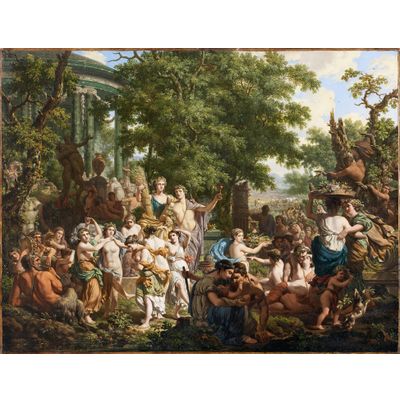
Dutch sculptured Louis XV Dessus de porte
Price on request
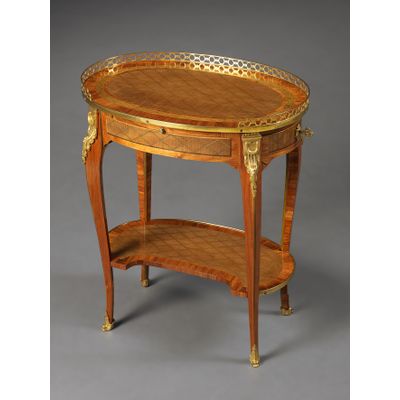
Small French Transition Table, Stamped: N Petit JME
Price on request
Price on request
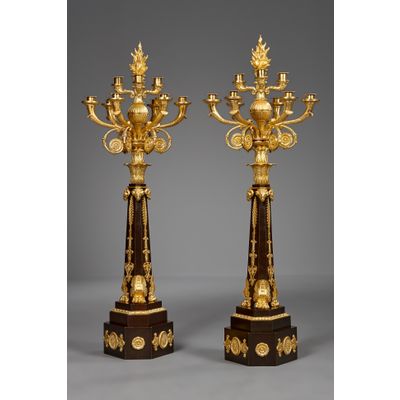
Pair of large French Restauration Candelabra
Price on request
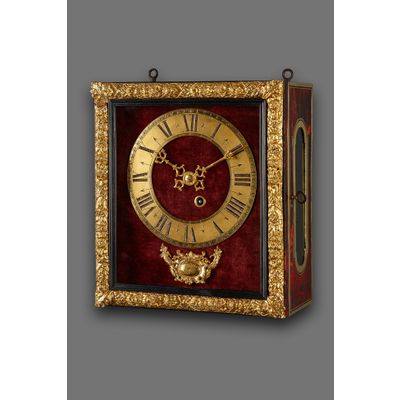
French Louis XIV Pendule Réligieuse
Price on request
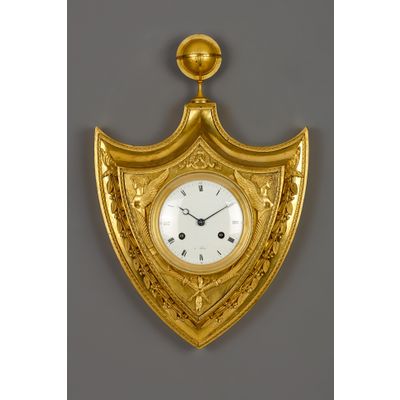
French Empire Cartel d’Applique
Price on request
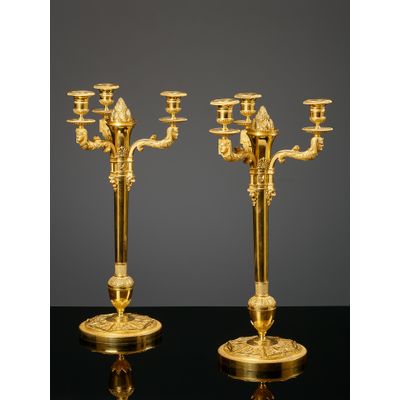
Pair of French Empire Retour d’Égypte candelabra
Price on request
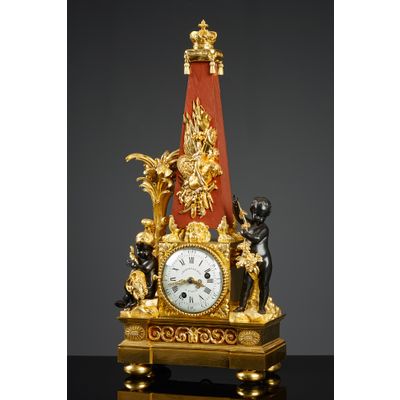
French Louis XVI pendule after a design by Vion
Price on request
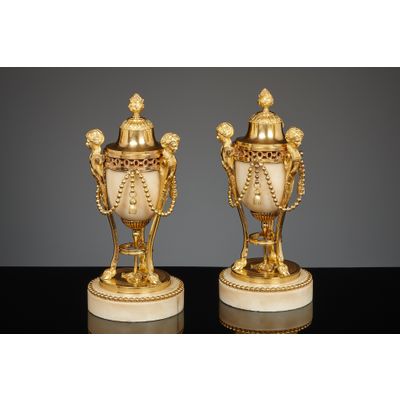
Pair of French Louis XVI cassolettes
Price on request
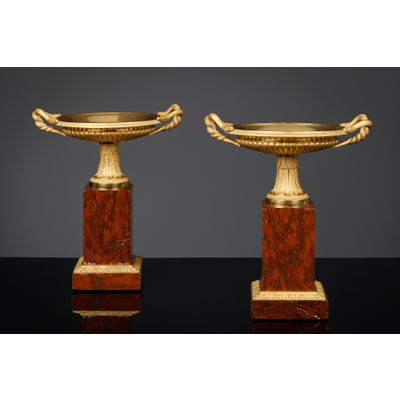
Pair of French Restauration Tazza
Price on request
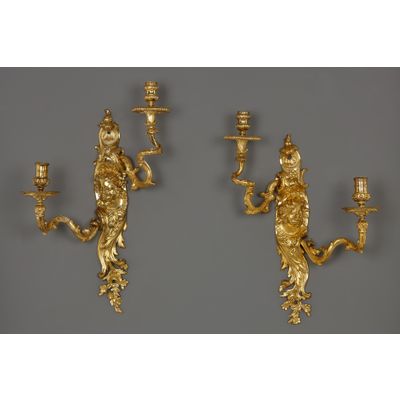
Pair of French Régence appliques aux Zéphyrs
Price on request
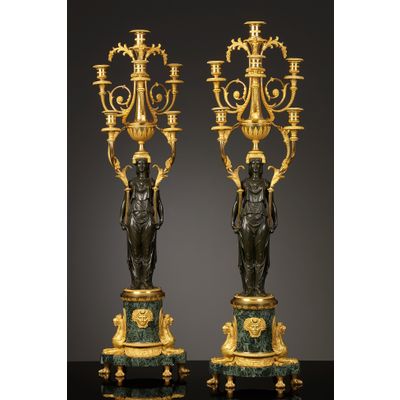
Pair of Large French Empire Candelabra
Price on request
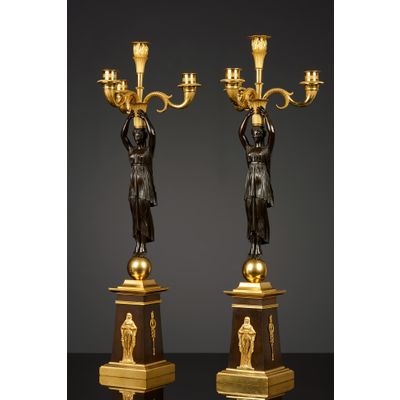
Pair of French Empire four-light candelabra
Price on request
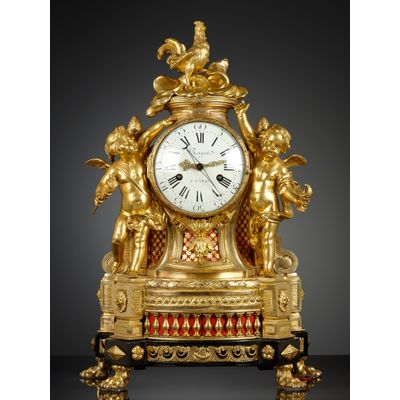
French Louis XVI Musical Mantel Clock
Price on request
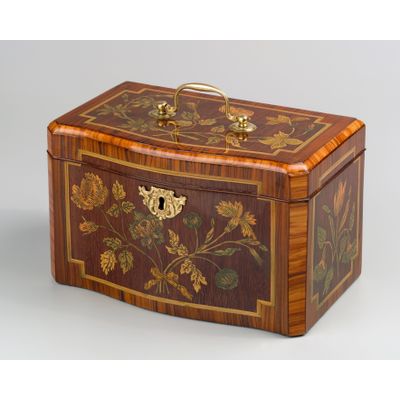
Price on request
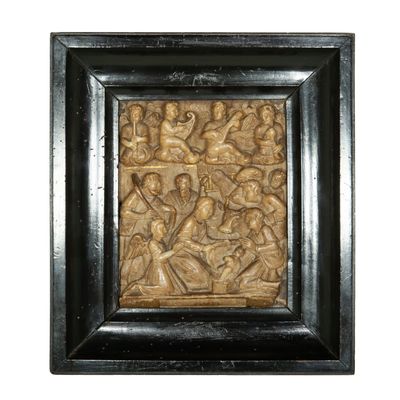
A Malines Alabaster Relief of the Adoration of the shepherds- Hans van Haechten
Price on request
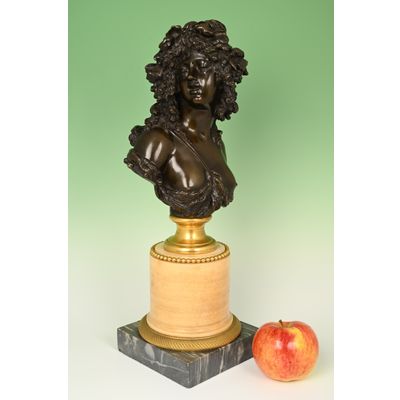
A bronze buste, represents a Bacchante
€ 1850

Barbara Nanning (Amsterdam 1957), glass object sculptural bowl
€ 4300
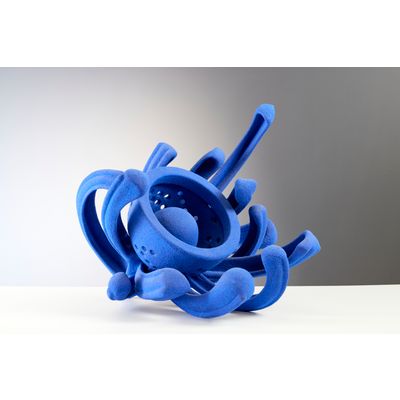
Barbara Nanning, unique ceramic sculpture, 'Hydras', 1997.
Price on request
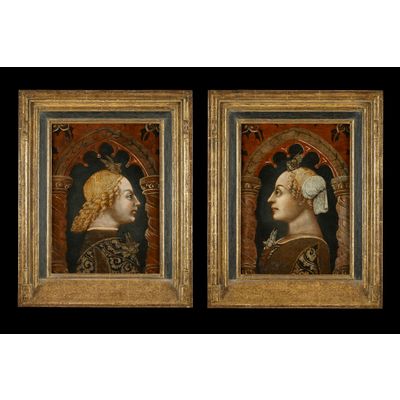
Studio of Bonifacio Bembo, Cremona
Price on request
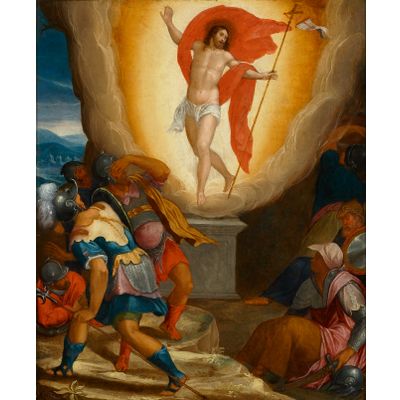
Anonymous German master, the Resurrection of Christ
Price on request
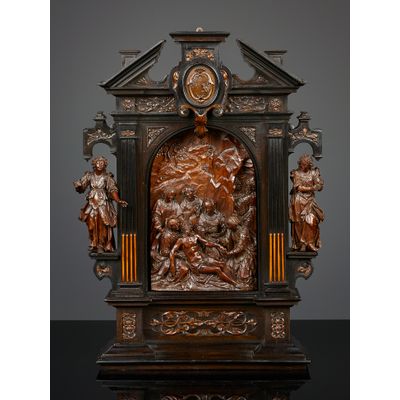
South German Baroque House Altar
Price on request
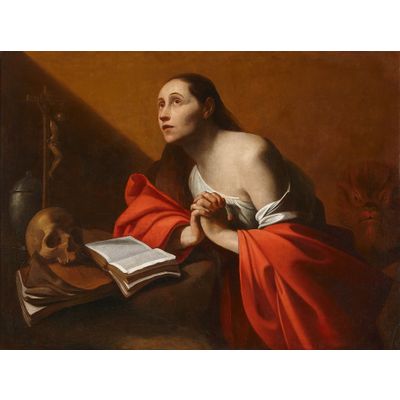
Ulrich Loth (before 1599-1662)
Price on request
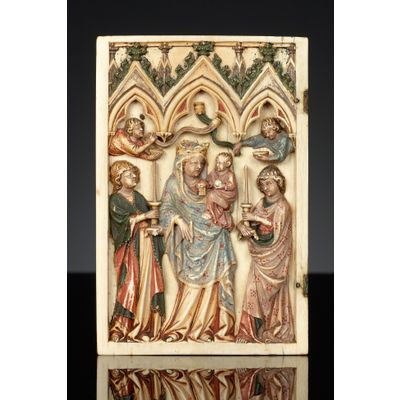
French Gothic Left Panel from a diptych depicting The Glorification of the Virgin
Price on request

Christobal Ramirez (active ca. 1616-1644)
Price on request
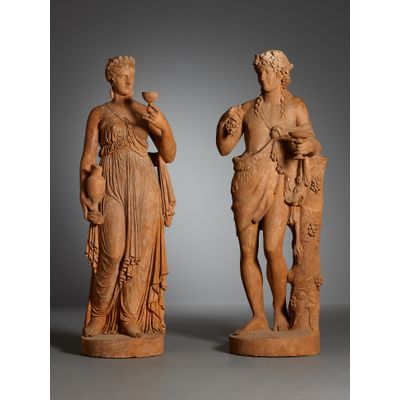
Pair of French Empire Terracotta Sculptures
Price on request
Pair of French Empire four-light candelabra
Price on request
Price on request
Pair of large French Restauration Candelabra
Price on request
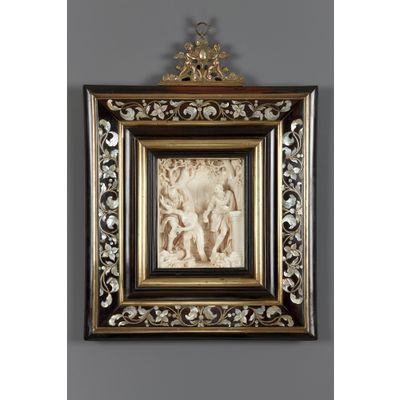
German Ivory Relief depicting Susanna and the Elders Attributed to Antonio Leoni
Price on request