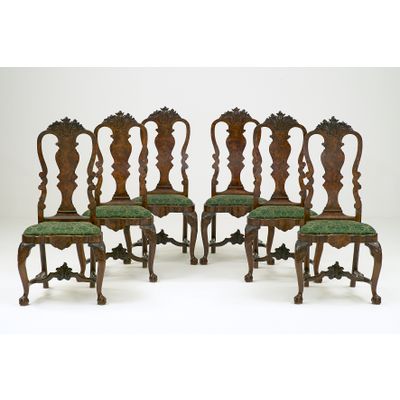
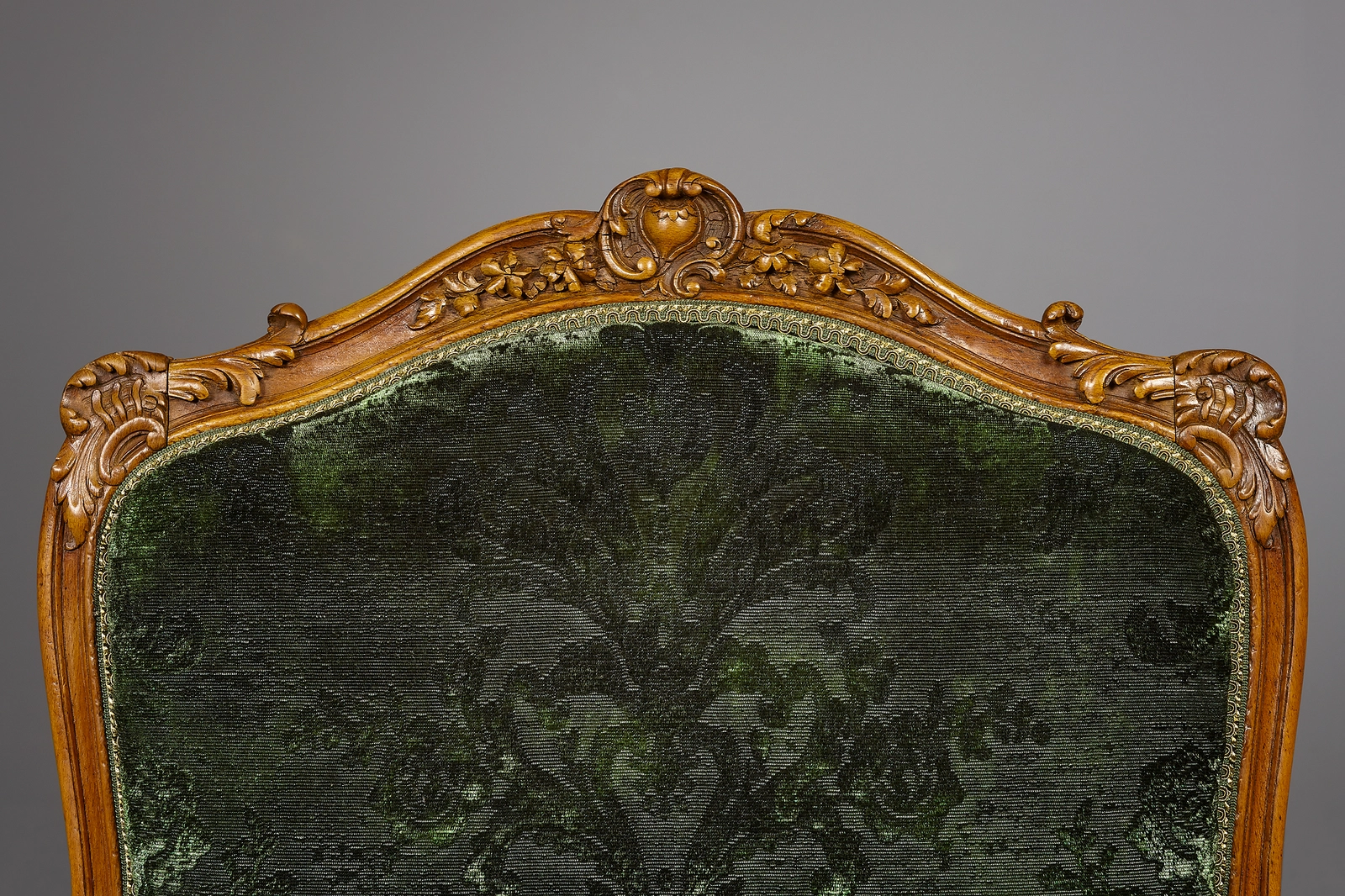
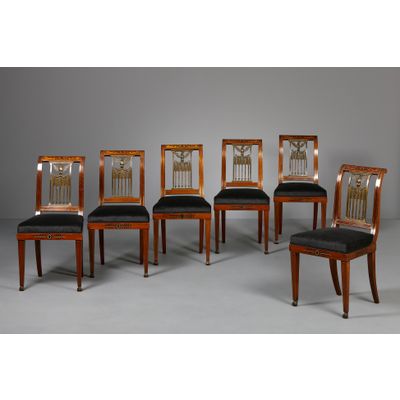
Six Dutch Louis XV Carved Burr Walnut Chairs
Price on request
Ships from The Netherlands
Price on request
Artlistings Promise: Authenticity Guarantee, Money-Back Guarantee, 24-Hour Cancellation
Six Dutch Louis XV Carved Burr Walnut Chairs
Price on request
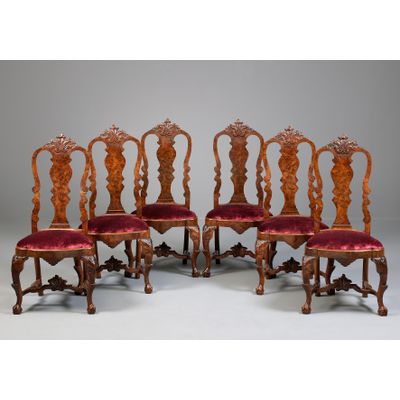
Six Dutch Louis XV Carved Walnut Chairs
Price on request
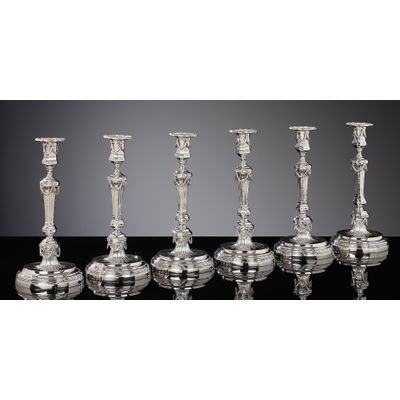
Six Silver Louis XVI Candlesticks, Amsterdam, Frederik Manicus I
Price on request
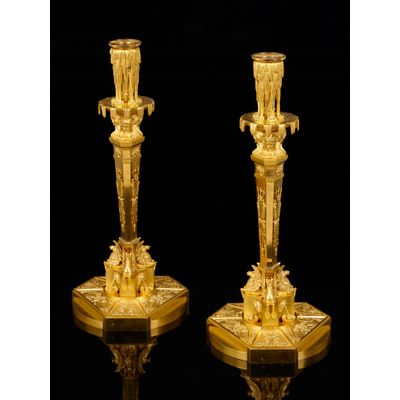
Pair of Russian Empire candlesticks, attributed to Friedrich Bergenfeldt
Price on request
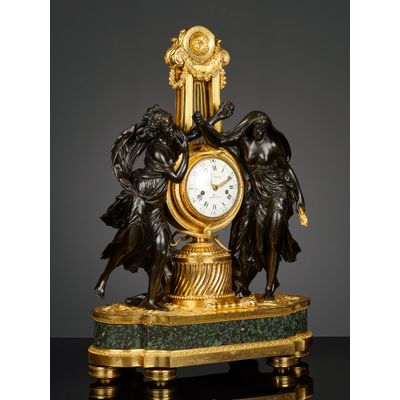
Price on request
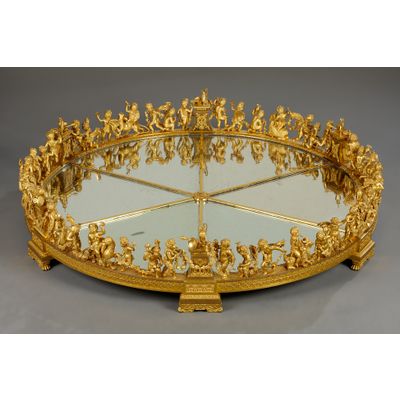
Empire Surtout de Table, attributed to Pierre-Philippe Thomire
Price on request
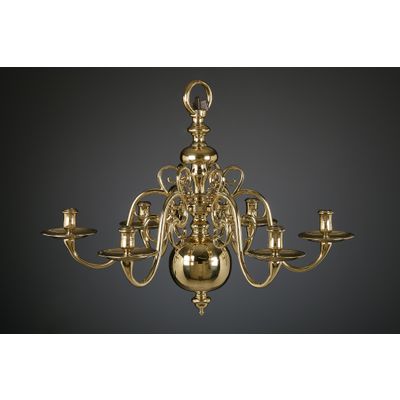
Price on request
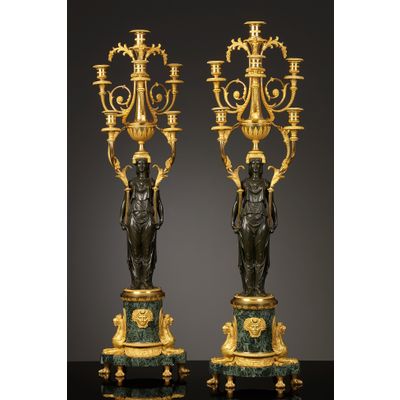
Pair of Large French Empire Candelabra
Price on request

Price on request
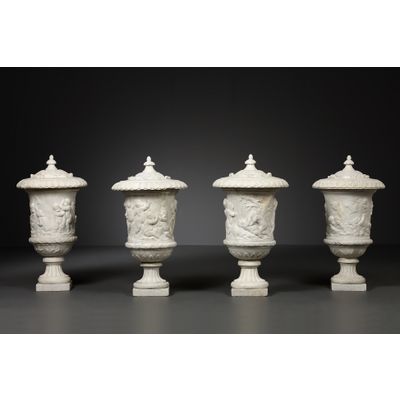
Four Dutch Louis XIV sculptural marble vases
Price on request

French Empire Suite of four Fauteuils and two Bergères, attributed to F.H.G. Jacob-Desmalter
Price on request
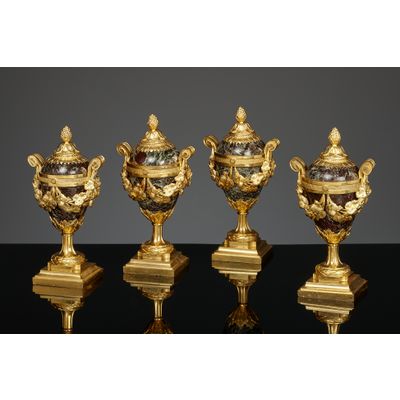
Four French Louis XVI mounted vases
Price on request
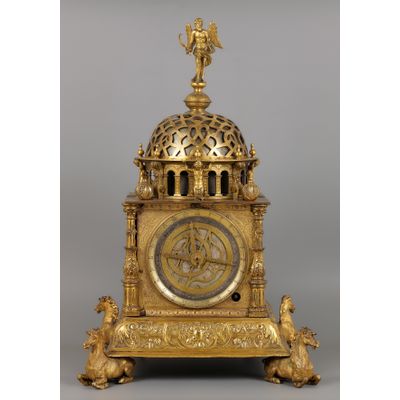
German Astronomical Renaissance Türmchenuhr
Price on request
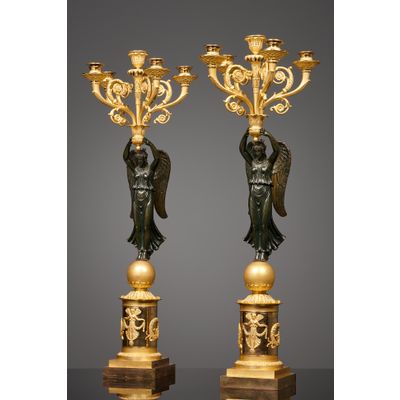
Pair of French Empire candelabra
Price on request
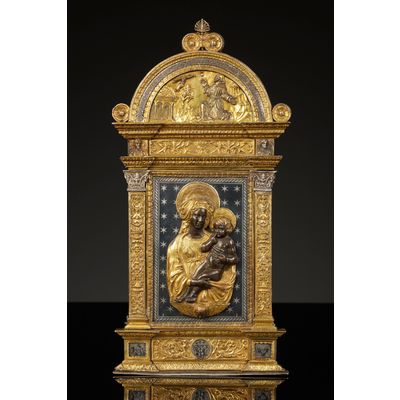
Price on request
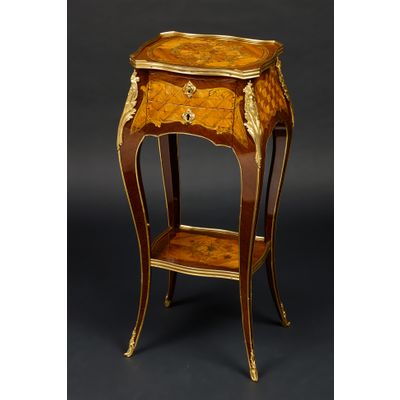
French Transitional Table, Leonard Boudin
Price on request
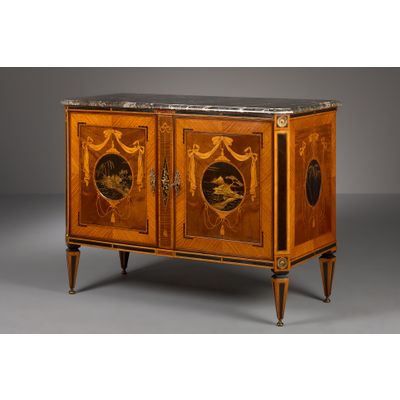
Dutch Louis XVI Commode with lacquer panels
Price on request
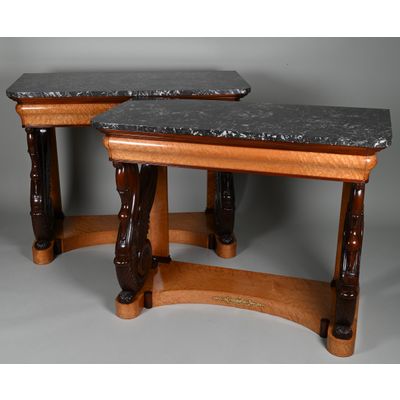
€ 9500
Six Dutch Louis XV Carved Burr Walnut Chairs
Price on request
Six Dutch Louis XV Carved Walnut Chairs
Price on request
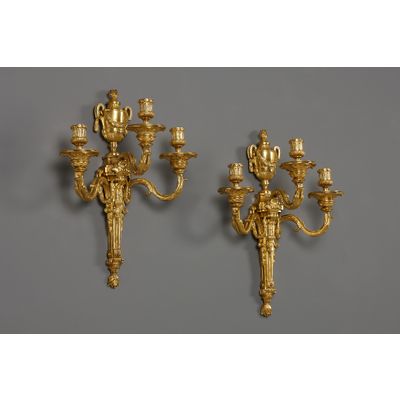
Pair of French Louis XVI appliques
Price on request
Price on request
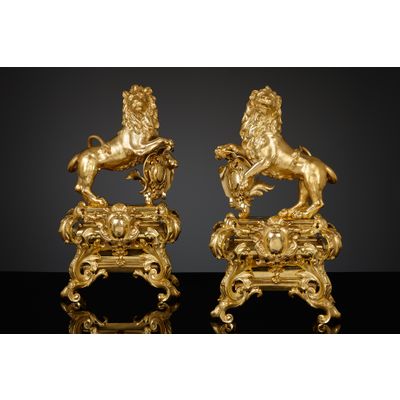
Pair of French Régence Chênets
Price on request
Price on request
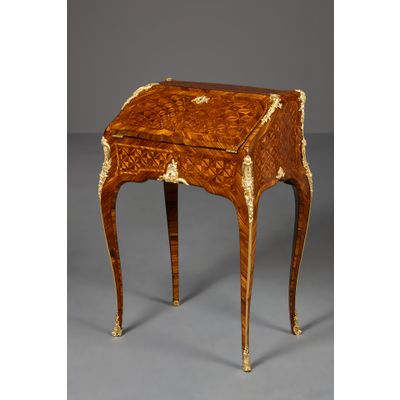
French Louis XV Secrétaire en Pente, Pierre Garnier
Price on request
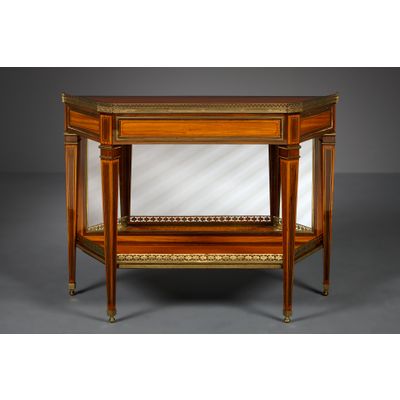
Dutch Louis XVI ‘Console Desserte’
Price on request
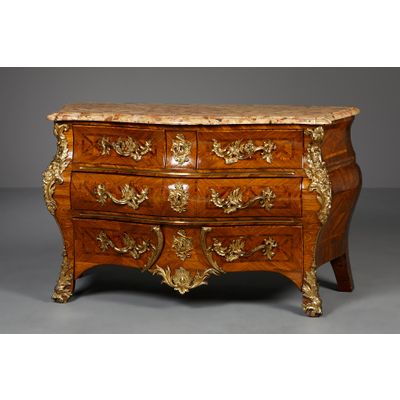
French Louis XV Commode en Tombeau
Price on request
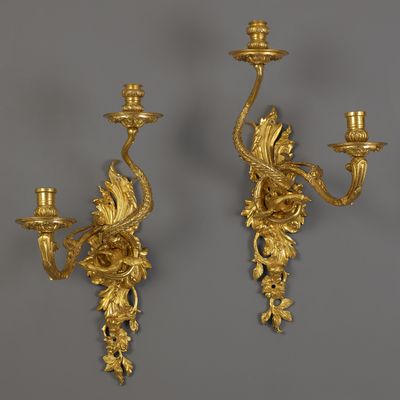
Pair of French Régence Wall Sconces attributed to André-Charles Boulle
Price on request
Price on request
Price on request